If you’re planning a toilet repair, have spotted a leak, or if your toilet just won’t stop running, knowing how to turn off the water is one of the simplest and most useful plumbing skills you can learn. Fortunately, quick and easy to do once you know what to look for.
In this blog, we’ll walk through how to turn off your toilet’s water supply, how long you can safely leave it off, and what to do if your shut-off valve isn’t working.
Why You Might Need to Shut Off the Water
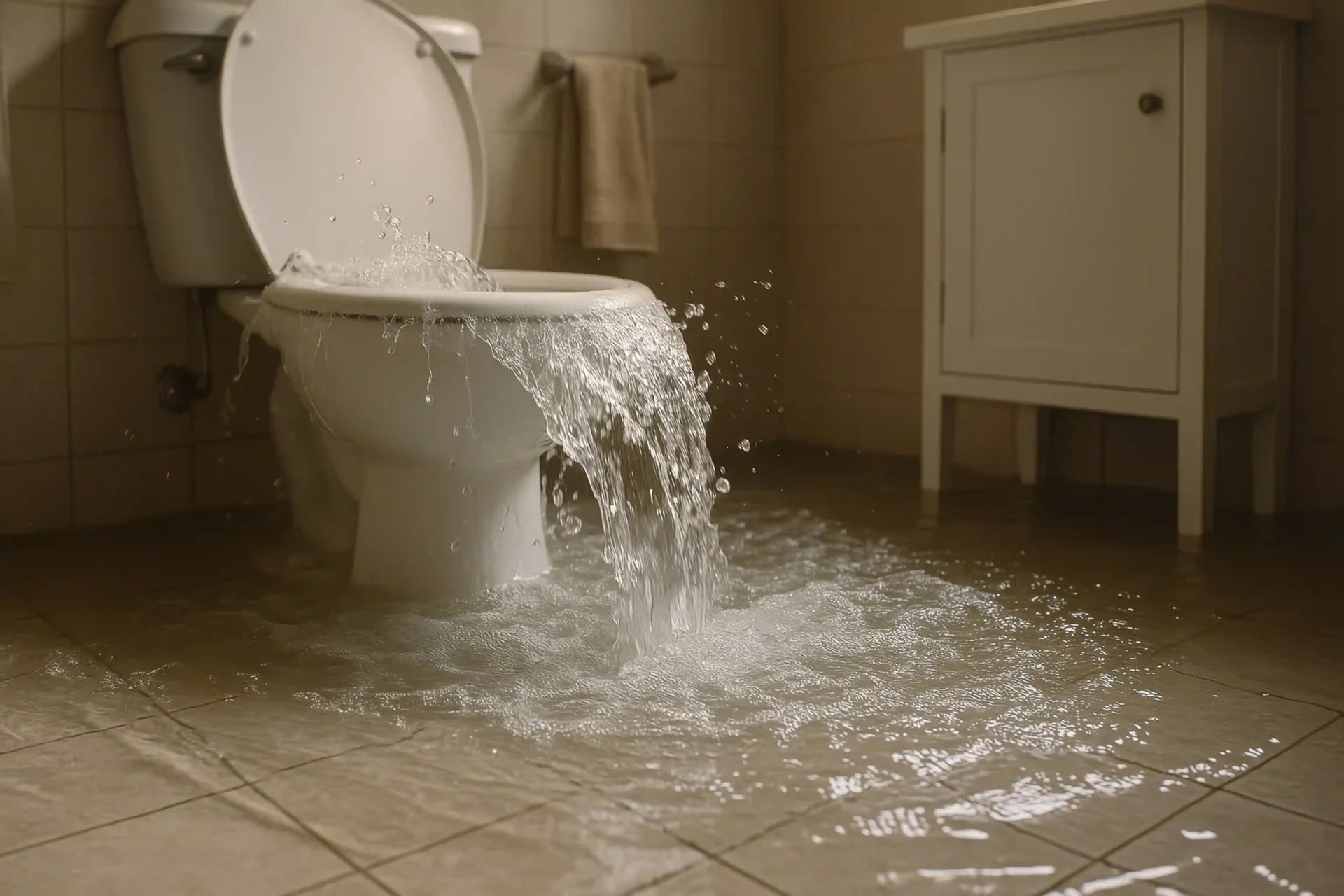
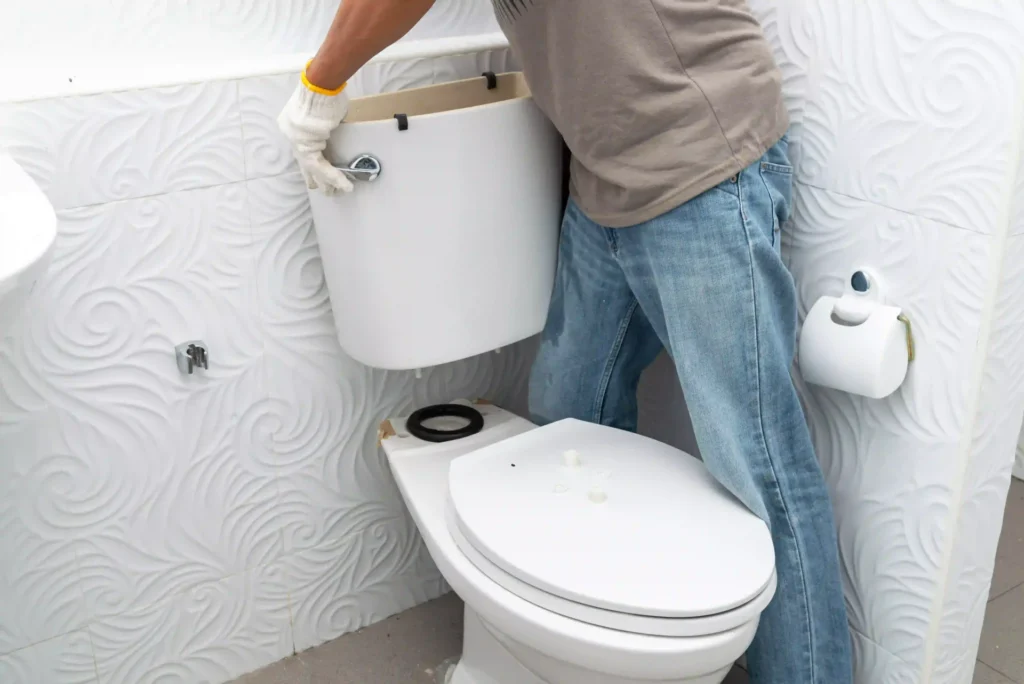
Turning off the water to your toilet is usually the first step before any type of maintenance. Whether you’re replacing a fill valve, addressing a pesky leak, or removing the toilet entirely, shutting off the water prevents unwanted mess and flooding, and gives you a clean, dry workspace.
Even if you’re not planning a repair, knowing how to find and operate the toilet water valve can help you act fast if your toilet ever overflows or starts to leak and flood your bathroom.
Finding the Toilet Water Supply Valve
Every toilet is connected to your home’s water line through a small shut-off valve. This valve is usually located on the wall or floor directly behind or beside the toilet, where a short pipe or braided hose connects to the tank.
This valve allows you to turn off the water supply to the toilet without shutting down water to the rest of the house. However, if your home is older or the valve hasn’t been used in years, it may be stiff or corroded, making it fragile, so take extra care when turning it to avoid a bigger issue.
Understanding Valve Types and Safety Warnings
Toilet shut-off valves typically come in two main styles:
- Multi-Turn Valves (Gate/Globe): These have an oval or round handle and require several full rotations (clockwise) to fully close the valve.
- Quarter-Turn Valves (Ball): These use a lever-style handle and only require a quarter of a turn (90 degrees) to completely stop the water flow.
Step-by-Step: How to Turn Off the Water to Your Toilet
- Locate the shut-off valve.
Look behind or beside the toilet for a small handle or knob attached to the water supply line. Most are oval-shaped or round, though newer models may use a lever-style handle. - Turn the valve clockwise.
Rotate the handle clockwise (to the right) until it stops. You shouldn’t need to use much force, just a firm, steady twist. This shuts off the flow of water to the toilet. - Test it by flushing.
Flush the toilet once. The tank should empty but not refill. If water continues to flow, the valve may not have closed completely or may need replacing. - If the valve is stuck, don’t force it.
Try gently wiggling the handle back and forth to loosen mineral buildup. If it still won’t move, avoid forcing it, as doing so can crack the stem or pipe. - Use the main water shut-off if needed.
If the toilet valve won’t close or is leaking, turn off your home’s main water supply until a Johnny Rooter plumber can service or replace the faulty valve.
When the Valve Doesn’t Work
Sometimes, especially in older homes around Austin, the shut-off valve may be corroded or stuck open. If that happens, don’t panic! Simply locate your home’s main water shut-off (typically found near the water meter, in your garage, or outside by the street) and close it until you can repair or replace the smaller valve.
If you’re uncomfortable working on plumbing connections or the valve is leaking, it’s best to call a licensed plumber from Johnny Rooter. Replacing a shut-off valve is a quick job for a professional, but forcing a stuck one can lead to much bigger repairs if the pipe cracks.
Restoring Water and Pro Tips
Once your repair is complete, you must safely restore the water supply.
- Turn the Valve Counter-Clockwise: Slowly rotate the shut-off valve counter-clockwise (to the left) until it is fully open.
- Allow the Tank to Fill: Let the toilet tank fill completely.
- Check for Leaks: Watch the shut-off valve, the water supply line connection, and the base of the toilet for any drips. If you see water, turn the valve off immediately and inspect your connections.
Pro Tip: Flushing without Water Supply
- If the water to your toilet is shut off, you can still flush it manually. Simply pour a large bucket of water (one to two gallons) quickly and directly into the toilet bowl. This will create a siphon and force a flush.
Need a Hand? Johnny Rooter is Right Down the Street!
Knowing how to turn off the water to a toilet is a small skill that can save you big headaches. With one simple twist, you can stop leaks, start repairs, or prevent flooding in an emergency.
If your shut-off valve is old, corroded, or simply not working as it should, call the experts at Johnny Rooter Plumbing. Our licensed technicians can repair or replace faulty valves, handle toilet leaks, and make sure your plumbing system runs safely and efficiently.
Serving Austin and the surrounding areas, Johnny Rooter has been a trusted name in local plumbing for decades, because when it comes to your home, you deserve the best.
Give us a call at 512-451-3031 or schedule your appointment online today!
Need a Quick Answer? See These FAQs We Get.
Q: Why would I need to turn off the water supply to my toilet?
A: Turning off the water is the first step before any maintenance or repair, such as replacing a fill valve, addressing a leak, or removing the toilet. It is also necessary to act fast and prevent flooding if your toilet overflows or starts leaking.
Q: Where is the water shut-off valve for my toilet located?
A: The shut-off valve is typically located on the wall or floor directly behind or beside the toilet, where the water supply line connects to the tank.
Q: How do I turn the water supply off using the valve?
A: Locate the handle or knob on the valve and rotate it clockwise (to the right) until it stops. Use a firm, steady twist, but do not use excessive force.
Q: How can I tell if the water is completely shut off?
A: Flush the toilet once. The tank should empty but not refill if the water supply has been successfully turned off.
Q: How long can you turn off water to a toilet?
A: You can safely turn off the water to your toilet for a few days to a week without concern. If the water will be off for an extended period (weeks or months), the water in the bowl’s trap may evaporate, allowing sewer gases to escape. For long-term shutoffs, take precautions like occasionally refilling the bowl with water or adding a small amount of mineral oil to slow evaporation.
Q: What should I do if the shut-off valve is stuck or won’t turn?
A: Try gently wiggling the handle back and forth to loosen any mineral buildup. If it still won’t move, do not force it, as this can crack the pipe. Instead, you will need to locate and close your home’s main water supply.
Q: What should I do if the toilet valve is leaking or won’t close completely?A: If the toilet valve won’t close or is leaking, immediately turn off your home’s main water supply. It is recommended to then call a licensed plumber, such as Johnny Rooter, to service or replace the faulty valve.