How Big Should Your Hot Water Tank Really Be?
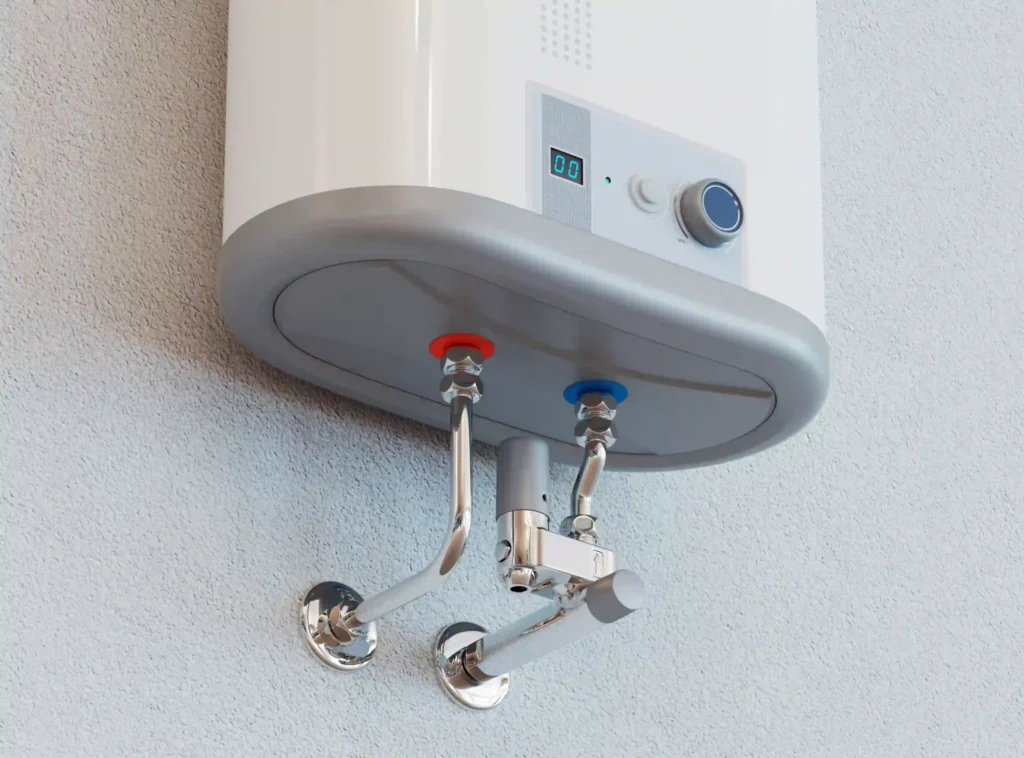
Hot water tank sizing isn’t something most homeowners think about until there’s a problem. Usually, that problem shows up as a cold shower or a line of people waiting for hot water. Choosing the right tank size affects comfort, energy efficiency, and monthly utility costs.
At Johnny Rooter Plumbing, we help homeowners across the Austin area choose water heaters that fit how they actually live. A tank that’s too small struggles to keep up with demand, while a tank that’s too large wastes energy by heating water that never gets used. The goal is finding the right balance for your household.
Most traditional storage tank water heaters range from 30 to 80 gallons. While that number matters, it’s only part of the equation. Household size, daily routines, appliances, and how closely hot water is used all factor into choosing the right size. Two people taking long back-to-back showers may need more hot water than a family of three who spreads usage throughout the day.
Why Tank Size Matters More Than You Think
Choosing the right tank size is about more than gallons on a label. A properly sized water heater delivers hot water when you need it without driving up energy bills. When a tank is too small, it runs out quickly and works harder to recover. When it’s too large, it cycles unnecessarily, increasing operating costs over time.
A common starting point is household size. One to two people typically do well with a 30 to 40 gallon tank. A household of three to four people usually needs a 50 to 60 gallon tank. Homes with five or more people often need 60 to 80 gallons or more, especially if multiple bathrooms are used at once. These are guidelines, not rules, and real usage patterns matter just as much.
What Really Goes Into Sizing a Hot Water Tank
One of the most important factors is your peak hour of hot water use. This is the busiest one-hour period when your household uses the most hot water, often in the morning or evening. Water heaters have a first hour rating that shows how much hot water the unit can supply during that time. This rating often provides a clearer picture than tank size alone.
Appliances also play a role. Dishwashers, washing machines, soaking tubs, and even handwashing all pull from the same hot water supply. If several are used at once, demand increases quickly. Fuel type matters as well. Gas water heaters generally heat water faster than electric models, which can affect how large a tank you need.
Smart Hot Water Tank Sizing Tips
- Think beyond how many people live in your home and consider daily routines, long showers, laundry habits, and dishwashing schedules
- Look at the first hour rating, not just the tank’s gallon size
- Consider recovery rate, especially if hot water is used back to back
- Plan for future changes like additional bathrooms or a growing household
- Work with a professional who can evaluate your home’s plumbing and usage patterns
Signs Your Water Heater May Be the Wrong Size
If your hot water runs out quickly during showers, your tank may be too small. On the other hand, if you never come close to using all your hot water and your energy bills seem higher than expected, your tank may be larger than necessary. Inconsistent water temperature or frequent thermostat adjustments can also point to sizing issues.
Tank vs. Tankless: Does Size Still Matter?
Tankless water heaters don’t store hot water, so they don’t run out the same way tank systems do. Instead, they are sized based on flow rate, measured in gallons per minute, and how much hot water they can produce at once. While tankless systems offer on-demand hot water, they still must be properly sized to avoid temperature drops when multiple fixtures run at the same time.
Frequently Asked Questions
Q: How do I know what size water heater I need?
Start with household size, then consider peak usage, appliances, and first hour rating. A professional evaluation is the most accurate way to determine the right size.
Q: Is it bad to install a tank that’s too large?
Yes. Oversized tanks cost more upfront and can increase energy bills by heating water you don’t use.
Q: What happens if my water heater is too small?
You’ll run out of hot water during high-demand periods, especially when multiple showers or appliances are used close together.
Q: Does gas versus electric affect sizing?
Yes. Gas water heaters typically recover faster than electric units, which can influence the recommended tank size.
Q: Should I size my water heater myself?
Online calculators can help, but they don’t account for your home’s plumbing layout or daily habits. Professional sizing helps avoid costly mistakes.
Q: Need Help Choosing the Right Hot Water Tank?
Choosing the right hot water tank size isn’t guesswork. It’s about matching your household’s real needs with a system that delivers reliable hot water without wasted energy. If you’re replacing an old unit or planning a new installation, the team at Johnny Rooter Plumbing can help you choose the right solution and install it correctly the first time.